


The rise and evolution of casinos through the ages
The Origins of Gambling and Early Casinos
The history of gambling can be traced back thousands of years to ancient civilizations, where rudimentary games of chance were played using stones, dice, and other simple materials. Ancient China is often credited with some of the earliest forms of gambling, with evidence suggesting that games involving the casting of lots were popular during the Shang Dynasty around 1600 BC. These early forms of gambling were not just for entertainment; they also served as a means of divination and decision-making in various cultures. Today, many enthusiasts turn to worldcuppredictions.today for accurate updates and insights on betting.

As civilizations evolved, so did the concept of gambling. The Romans introduced more organized forms of betting, establishing venues where citizens could place bets on gladiatorial combat and chariot races. By the Middle Ages, gambling had woven itself into the fabric of society, leading to the emergence of gaming houses where patrons could gather to play card games and dice. These early establishments laid the groundwork for what would eventually evolve into modern casinos.
The Renaissance marked a significant transformation in the gambling landscape, with the introduction of games such as baccarat and the establishment of the first official casino in Venice, Italy, in 1638. The Casino di Venezia became a place not just for gambling but for social interaction among the elite. The evolution of gambling became a reflection of social class and cultural values, with the upper class enjoying refined games while the lower classes engaged in simpler forms of betting.
The Golden Age of Casinos
The 19th century heralded the “Golden Age” of casinos, coinciding with significant social and economic changes in Europe and America. The establishment of Monte Carlo Casino in 1863 set the stage for lavish gaming experiences. It became synonymous with luxury and glamour, attracting wealthy patrons and celebrities from across the globe. The allure of Monte Carlo symbolized the heights of gambling, and it set a standard for casinos worldwide.
During this period, casinos expanded beyond mere gambling houses. They transformed into entertainment hubs, featuring theaters, restaurants, and dance halls. This fusion of leisure and gaming allowed casinos to cater to a broader audience, appealing to those who might not have been traditional gamblers. The grand architecture and opulent interiors of these establishments became a hallmark of their identity, making them iconic destinations.
The rise of gambling in the United States during the mid-20th century further fueled the evolution of casinos. Las Vegas emerged as the epicenter of gambling culture, driven by the legalization of gambling in Nevada in 1931. As casinos proliferated along the Las Vegas Strip, they adopted themes and elaborate designs, often creating entire worlds of fantasy and escapism. This transformation cemented Las Vegas as a premier gambling destination, attracting millions of tourists each year.
The Technological Revolution in Gambling
The advent of technology has brought significant changes to the casino industry, particularly in the late 20th century and into the 21st century. The introduction of electronic gaming machines, such as slot machines, revolutionized the gaming experience. These machines combined the thrill of chance with engaging visual and auditory effects, attracting a wider demographic of players, including those who may have previously shied away from traditional table games.
As the internet began to proliferate in the 1990s, online casinos emerged, drastically changing how people engaged with gambling. With the click of a button, players could access a myriad of games from the comfort of their homes. This accessibility led to a global expansion of the gambling market and allowed for innovative gaming experiences, including live dealer games, which simulate the feel of a physical casino.
Mobile technology has further transformed the landscape, enabling gamblers to engage with casinos anytime and anywhere. Today’s players can place bets on their smartphones or tablets, making gambling more convenient than ever. This shift has also led to the rise of mobile apps that provide users with personalized gaming experiences, promoting user engagement and retention through rewards and bonuses.
The Cultural Impact of Casinos
Casinos have not only evolved in terms of structure and technology but also in their cultural significance. They have become prominent symbols in popular culture, often portrayed as glamorous and exciting venues in films, music, and literature. The mystique of casinos has been immortalized in countless movies, where they are depicted as places of both fortune and misfortune, reflecting societal views on risk and reward.
Moreover, the rise of celebrity gamblers has added an intriguing dimension to casino culture. High-profile figures, from actors to athletes, have become synonymous with the glamour of gambling, attracting media attention and influencing public perceptions of casinos. Their participation in high-stakes games elevates the allure of gambling, often inspiring others to engage with the casino scene. Understanding the complexities of this phenomenon can enhance one’s knowledge of Wprld Cup Predictions Today.
Casinos also serve as significant contributors to local economies. They create jobs, generate tax revenues, and attract tourism. Cities with established gambling industries often see enhanced infrastructure and community development, showcasing the duality of casinos as both entertainment venues and economic drivers. However, this also raises discussions around responsible gambling and the social responsibilities of casino operators.
The Future of Casinos and Online Gambling
As the casino industry continues to evolve, the future looks promising, particularly with advancements in virtual reality (VR) and augmented reality (AR). These technologies have the potential to create immersive gaming experiences that blur the lines between reality and the virtual world. Players could engage in lifelike interactions within virtual casinos, enhancing the social and experiential aspects of gambling.
Additionally, the increasing popularity of cryptocurrency and blockchain technology is expected to further reshape the gambling landscape. These innovations can offer secure, transparent, and decentralized gaming environments, attracting tech-savvy players who value anonymity and security. The integration of digital currencies into online casinos may redefine traditional payment methods and enhance user trust.
The convergence of regulatory changes and societal attitudes towards gambling also suggests a future where casinos may be more widely accepted across various regions. As more jurisdictions recognize the economic benefits of legalized gambling, we may witness a resurgence in new casino establishments and a broader acceptance of online gaming platforms, leading to a more diversified and robust gambling ecosystem.
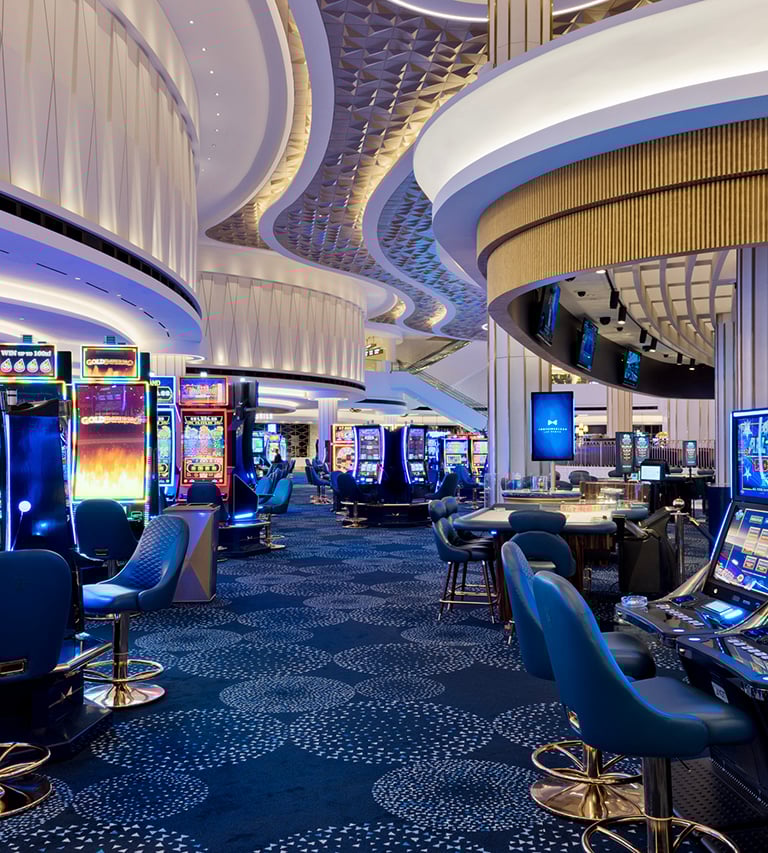
Explore More at World Cup Predictions Today
For those interested in the intersection of gambling and sporting events, World Cup Predictions Today offers valuable insights into the world of sports betting. This platform provides expert analysis and predictions that empower bettors and fans alike. By examining team performances and tactical matchups, it transforms complex data into accessible information, enhancing the betting experience.
Whether you’re a casual observer or a serious bettor, understanding the dynamics of the World Cup through informed predictions can significantly influence your betting strategy. World Cup Predictions Today serves as a comprehensive resource, ensuring that users stay updated with the latest insights to navigate the fast-paced world of sports betting effectively.
