


Exploring the cultural significance of gambling across different societies
The Historical Roots of Gambling
The practice of gambling dates back thousands of years, with its roots embedded deeply in the fabric of many ancient societies. Archaeological findings suggest that primitive forms of gambling occurred in Mesopotamia, where dice made from animal bones were used for games of chance. As civilizations advanced, gambling evolved, reflecting cultural norms and values. In ancient Rome, for instance, betting was prevalent during gladiatorial contests, indicating a societal acceptance of chance as part of entertainment. Today, options like the casino mobile app offer modern alternatives for those interested in gaming experiences.

In many cultures, gambling was not only a form of recreation but also served as a means of social interaction and community bonding. Rituals often accompanied gambling activities, such as drawing lots or casting dice, which were believed to invoke the favor of deities. This intersection of chance and spirituality laid the groundwork for the complex relationships societies developed with gambling.
Gambling in Asian Cultures
In many Asian cultures, gambling holds a unique position, often associated with tradition and celebration. For example, in China, the game of Mahjong has a rich cultural history, typically played during family gatherings and festivals. The act of playing becomes a communal experience, fostering connections among family members and friends. Likewise, the Lunar New Year celebrations often feature various forms of gambling, underscoring its role in cultural rituals.
Additionally, countries like Japan and South Korea have integrated gambling into their entertainment industries, with Pachinko and Casino gaming gaining immense popularity. These games reflect a blend of modernity and tradition, illustrating how gambling can evolve while maintaining cultural significance.
The Role of Gambling in Western Societies
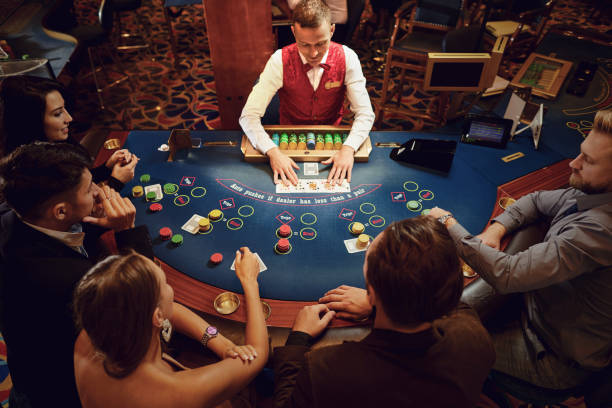
In Western societies, gambling has been viewed through various lenses, from moral judgments to economic opportunities. In the United States, for example, the legalization of gambling in certain states has transformed it into a multi-billion-dollar industry. Casinos and sports betting have become prominent, influencing not only the economy but also the social fabric. Events like the Super Bowl have become synonymous with betting, creating a culture where gambling is seen as an integral part of the experience.
However, the relationship with gambling is not without controversy. Concerns about addiction and societal impacts have prompted discussions about responsible gambling practices. This duality—celebrating gambling while grappling with its potential drawbacks—highlights the complex cultural significance it holds in Western contexts.
Gambling and Social Stratification
Gambling often reflects broader social dynamics and class structures within societies. In many cultures, access to gambling venues can signal social status, with lavish casinos often catering to wealthier patrons. Conversely, informal gambling activities, like street poker games or local betting pools, may serve as outlets for lower-income communities, indicating how gambling can function as both a luxury and a necessity.
Moreover, cultural perceptions of gambling can vary significantly across different socioeconomic groups. While some view it as a form of entertainment, others may associate it with risk and consequence, demonstrating how societal attitudes can shape individual experiences and participation in gambling activities.
Conclusion and Cultural Reflections
Gambling continues to be a significant cultural phenomenon that transcends geographical boundaries, reflecting the diverse values, beliefs, and social structures of societies worldwide. From ancient rituals to modern-day casinos, the cultural significance of gambling reveals insights into human behavior and community dynamics. Understanding this multifaceted relationship enables societies to navigate the challenges and opportunities that gambling presents.
In a world where gambling intersects with technology and entertainment, it is essential to engage in conversations about its implications, ensuring that the cultural essence of gambling is honored while promoting responsible practices. As we explore the cultural dimensions of gambling, we can appreciate its role as both a form of leisure and a reflection of our shared human experience.
